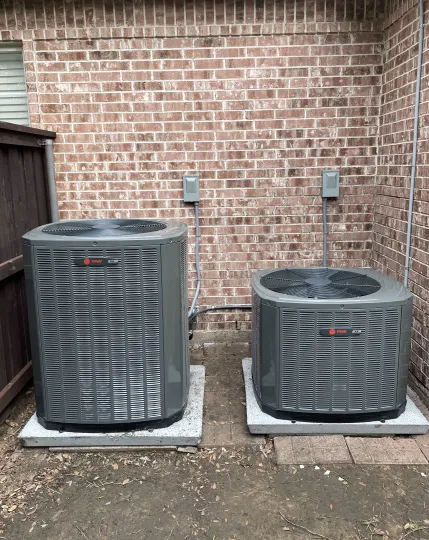
Common HVAC Issues and How to Prevent Them
Heating, Ventilation, and Air Conditioning (HVAC) systems are essential for maintaining a comfortable environment in both residential and commercial spaces. However, like any mechanical system, HVAC units can experience a variety of problems over time. Understanding these common issues and knowing how to prevent them can save you from costly repairs and ensure optimal performance.
Common HVAC Problems
- Inconsistent temperatures
- Poor airflow
- Unusual noises
- Frequent cycling
- High energy bills
- Foul odors
Inconsistent Temperatures
When your HVAC system struggles to maintain a consistent temperature, it can lead to discomfort and increased energy use. This issue may arise from an improperly sized unit, dirty air filters, or ductwork problems.
Poor Airflow
Poor airflow can be caused by blocked ducts, a malfunctioning blower, or dirty filters. This hampers the system’s ability to distribute air effectively, leading to hot or cold spots in your space.
Unusual Noises
HVAC systems should operate quietly. If you hear banging, grinding, or squeaking noises, it may indicate mechanical issues or loose components that need immediate attention.
Frequent Cycling
A unit that frequently turns on and off could be a sign of an improperly sized system, a thermostat malfunction, or issues with the compressor. This not only affects comfort but can also lead to increased wear and tear.
High Energy Bills
If you notice a spike in your energy bills, it may be due to an inefficient HVAC system. Factors such as lack of maintenance, dirty filters, and old equipment can contribute to higher energy consumption.
Foul Odors
Unpleasant smells from your HVAC system can indicate mold growth, burnt components, or other serious issues. Addressing these odors promptly is crucial for maintaining indoor air quality.
Preventative Measures
Preventing HVAC problems starts with regular maintenance and being aware of potential issues. Here are some effective prevention tips:
- Schedule regular HVAC inspections and maintenance.
- Change air filters every 1-3 months.
- Clean the outdoor unit and ensure it’s free of debris.
- Seal and insulate ductwork to prevent leaks.
- Install a programmable thermostat to manage energy use.
- Keep vents and registers clear of furniture and obstructions.
Regular Maintenance
Schedule professional inspections at least twice a year to ensure your HVAC system is in top condition. Technicians can identify potential problems before they escalate.
Changing Air Filters
Dirty air filters restrict airflow and reduce efficiency. Regularly changing your filters helps maintain proper airflow, improves indoor air quality, and enhances system performance.
Cleaning the Outdoor Unit
Ensure your outdoor unit is clean and clear of debris, such as leaves and dirt. Good airflow around the unit is essential for efficient operation.
Sealing Ductwork
Leaky ducts can lead to significant energy loss. Sealing and insulating your ductwork can improve efficiency and reduce energy costs.
Using a Programmable Thermostat
A programmable thermostat allows you to set temperatures according to your schedule, ensuring energy is not wasted when you’re not home.
Keeping Vents Clear
Make sure that furniture or other objects do not obstruct vents. Unobstructed airflow is crucial for an effective HVAC system.
Conclusion
Being proactive about HVAC maintenance can help you avoid common issues and extend the lifespan of your system. Regular inspections, proper filter changes, and keeping your system clean are key strategies for preventing costly repairs and ensuring optimal performance. At Stay Kool AC Inc, we are dedicated to helping you maintain a comfortable indoor environment. For professional HVAC services, visit us at staykoolac.com.